Why Are Houses Expensive in Massachusetts?
TL;DR
- Massachusetts homes cost a lot mainly because the state builds far fewer homes than its job market and population demand.
- Local zoning, long permitting timelines and old housing stock make new supply slow, risky and expensive to add.
- High prices are structural, so buyers should plan around them rather than wait for a broad, lasting price drop.
Houses are expensive in Massachusetts because the state has spent decades building fewer homes than its economy and population need. If you are asking why are houses expensive in Massachusetts, the honest answer is not one villain but a stack of constraints: strong job demand, restrictive local zoning, slow permitting, old housing stock and costly construction.
None of these is new, and none is likely to disappear quickly. That matters more for your decisions than any single month's headline.
Why Are Houses Expensive in Massachusetts: The Core Imbalance
Greater Boston has a concentrated base of well-paid employers in healthcare, higher education, biotech, finance and technology. Those jobs draw people who need housing within a reasonable commute, and many of them earn enough to compete hard for it.
Supply, meanwhile, grows slowly. Too many qualified buyers chasing too few listings is most of the story, and it shows up every spring when well-priced homes in close-in suburbs draw multiple offers.
Add the fact that many owners locked in low mortgage rates a few years ago. Selling would mean trading that rate for a higher one, so plenty of them simply stay put. Fewer listings means more competition for each one.
Zoning and Permitting Keep New Supply Scarce
In Massachusetts, most land use decisions are made town by town. Many suburbs zone the bulk of their residential land for single-family homes on large lots, which limits how many homes can legally exist on a given acre.
Building anything denser often requires special permits, variances or a town meeting vote. Each step adds time, legal cost and the risk that the project dies after a developer has already spent money. Builders price that risk into the homes they do finish.
The state has pushed back. Developers use Chapter 40B to override local rules on projects that include affordable units, and the MBTA Communities Act has forced transit-served towns to zone at least one district for by-right multifamily housing. These help at the margin, but zoning changes take years to turn into finished homes.
Old Housing Stock and High Building Costs
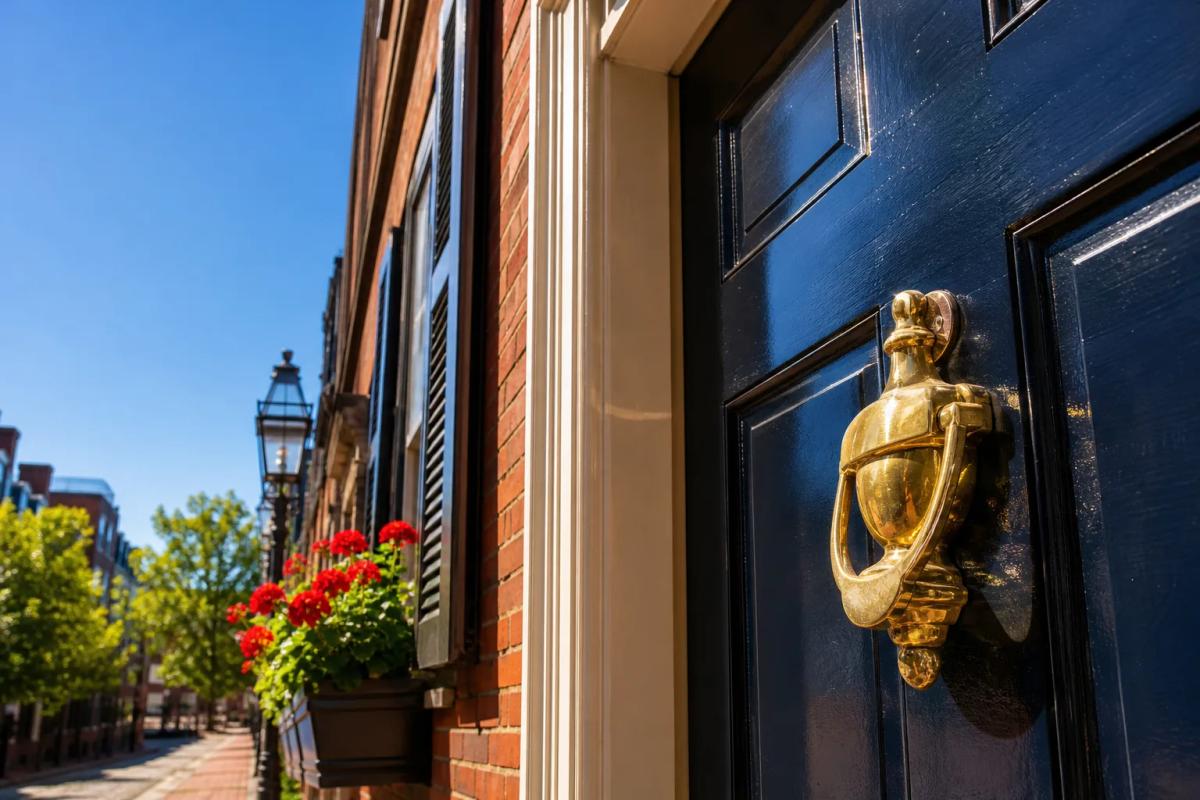
Massachusetts has some of the oldest housing in the country. A large share of homes near Boston predate modern energy codes, and many need significant work: knob-and-tube wiring, lead paint, aging foundations, oil heat.
That creates two price pressures. Renovated, move-in-ready homes command a premium because they are scarce. And older homes that need work still sell high because the land under them is the valuable part.
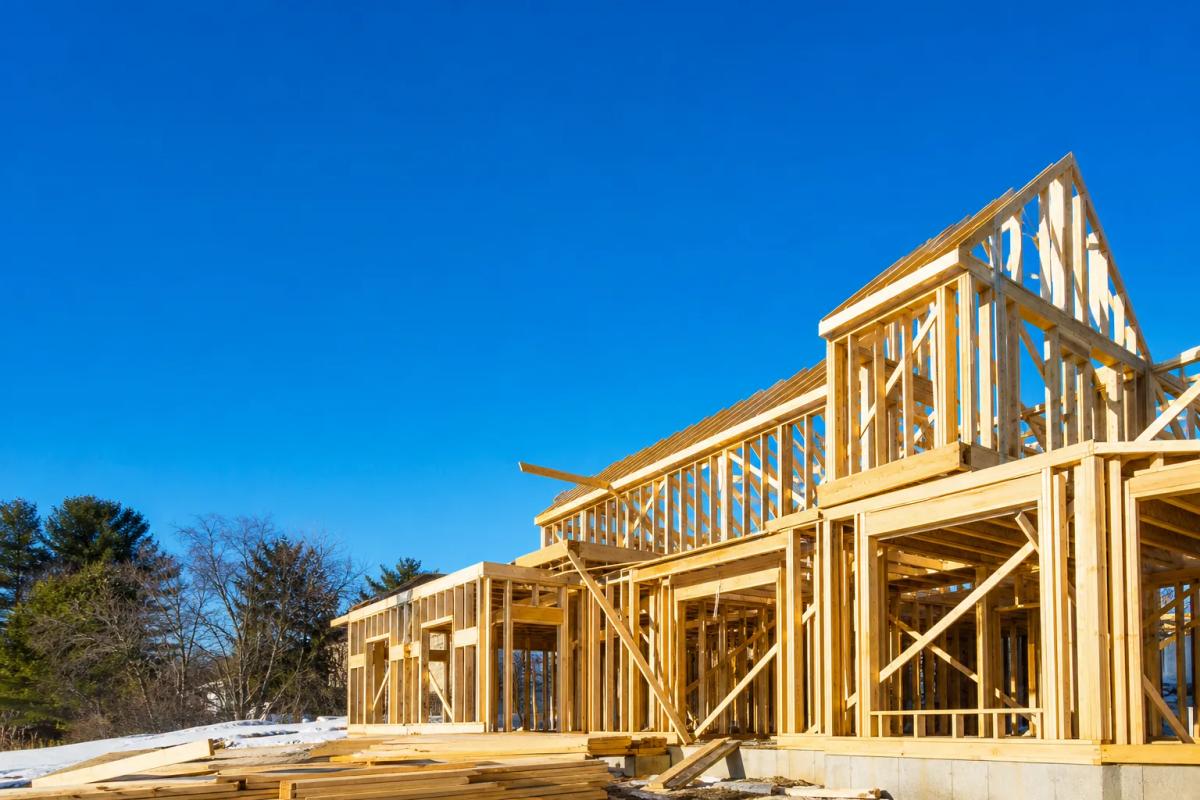
New construction is costly too. Labor, materials, site work, stretch energy codes and the price of a buildable lot all push the finished cost up. In practice, new homes near Boston tend to come in at the top of the local market, not the bottom.
What This Means for Buyers and Sellers
Because the shortage is structural, waiting for a broad collapse in prices is a weak plan. Prices can and do soften in specific towns, price bands or property types, but the overall floor is supported by persistent demand.
For buyers, a few practical moves help:
- Compare actual closed prices, not list prices, using recent home sales data.
- Widen the search to adjacent towns, condos or two-families, which often offer a lower entry point.
- Budget for repairs on older homes, since the purchase price is only the start.
- Review state and local assistance in the first-time buyer guide before assuming you cannot afford a market.
For sellers, scarcity is an advantage, but it is not unlimited. Buyers are rate sensitive, and overpriced homes still sit. Pricing against true recent comps matters more than ever.
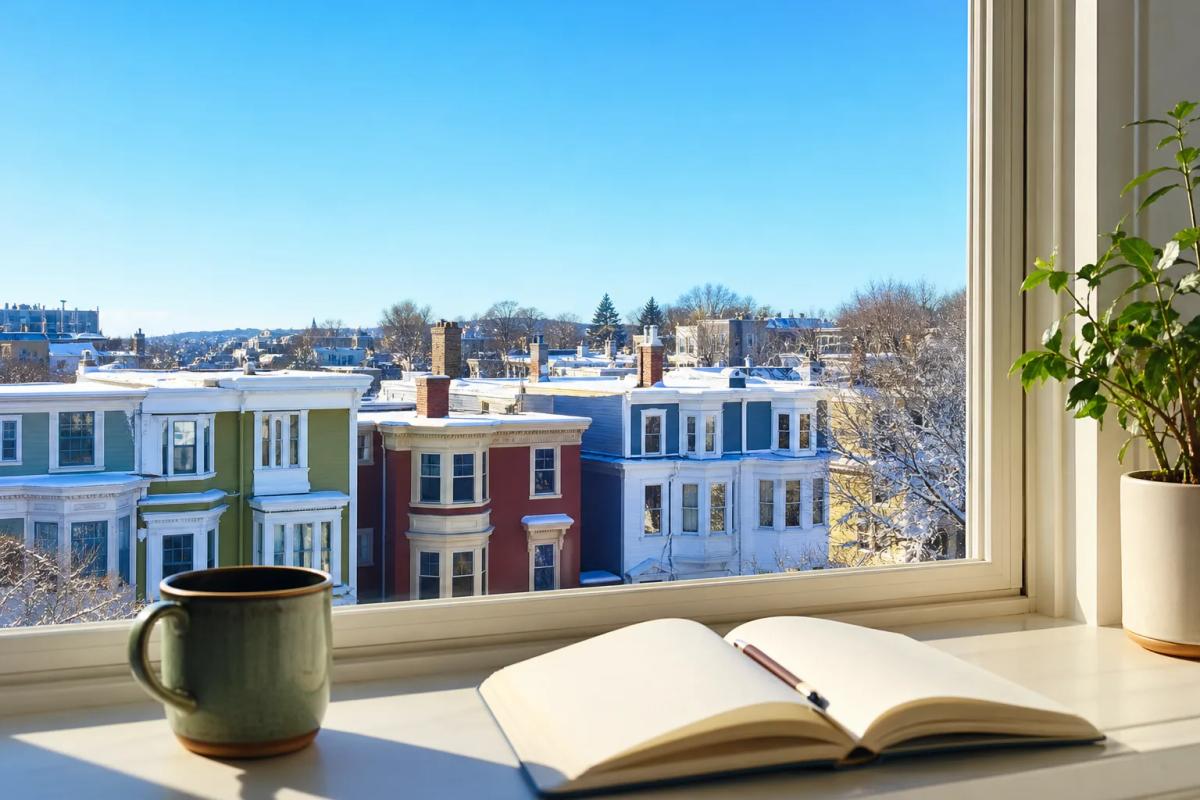
It also helps to understand that "Massachusetts" is not one market. Conditions differ sharply between inner suburbs, Route 495 towns and the western part of the state. The town pages break down local housing details so you can compare places on more than reputation.
Bottom Line
Massachusetts homes are expensive because demand from a strong job base keeps running into slow, constrained supply. That will not reverse quickly, so the better move is to plan around it with real local numbers. If you want help sorting out which towns and property types fit your budget, you can set up a buyer consultation here.
Common Questions
Will Massachusetts home prices ever go down?
Prices can soften in specific towns or segments, especially when mortgage rates rise or inventory builds. A broad, lasting drop is less likely because the underlying shortage persists. Check recent closed sales in the towns you are considering rather than relying on statewide headlines.
Is it cheaper to build a house in Massachusetts than to buy one?
Usually not near Boston. Buildable lots are scarce, permitting can take many months, and labor and materials are costly. Building can make sense on land you already own, but get a builder's written estimate and a local zoning review before assuming savings.
Where can buyers find lower prices in Massachusetts?
Prices generally ease as you move farther from Boston and from commuter rail and major highway access. Condos and multi-families can also offer a lower entry point than single-families in the same town. Compare recent sales town by town before narrowing your search.
Plato Asadov (Aflatun Asadov)
Licensed Massachusetts Real Estate Salesperson, Lic. #9579004
Brokered by Steve Bremis Realty Group. Equal Housing Opportunity.
Phone: 617-302-7222 · Email: plato@realestoria.com · realestoria.com
Work with Plato · Get a home value estimate · Contact
This article was drafted with AI assistance from Plato's research tools and reviewed by Plato before publishing. Information deemed reliable but not guaranteed; it is general education, not advice for your specific situation.
Share this article
Plato Asadov
Real Estate Agent | Investor
Real estate pro with 6+ years selling Greater Boston homes. I share what I've learned about buying, selling, and investing.
Work with Plato →LinkedIn