What Does the 2027 Condo Reserve Rule Mean for Boston?
Read this article in Azərbaycanca · Türkçe
TL;DR
- Fannie Mae and Freddie Mac plan to raise required condo reserve allocations from 10% to 15% of budgeted assessments on Jan. 4, 2027.
- Five trade groups asked FHFA to delay the change to Jan. 4, 2028, but no delay has been granted.
- Boston-area condo buyers and sellers should check their association's reserve line now, because conventional loan eligibility depends on it.
Starting Jan. 4, 2027, a condo association generally needs to budget at least 15% of its annual assessment income for reserves, up from 10%, for units in that building to qualify for Fannie Mae and Freddie Mac loans. So what does the 2027 condo reserve rule mean for Boston? For most well-run buildings, very little. For small, older, self-managed associations, it could decide whether the next buyer can get a conventional mortgage.
The date is not fully settled. As HousingWire reported (link), five housing and mortgage trade groups asked FHFA on Nov. 19 to push the change to Jan. 4, 2028. Until FHFA says yes, plan around January 2027.
What the Rule Actually Changes
When a lender reviews a condo project for agency financing, one line it checks is how much of the association's budget goes to reserves. That floor rises five percentage points.
As an illustration with round numbers, an association with a $200,000 annual budget would need $30,000 earmarked for reserves instead of $20,000. Fannie Mae estimated the average cost at $13 to $14 per owner per month, though the trade groups stressed the real figure will vary by building.
This also lands on top of earlier tightening. Fannie Mae retired its limited review option for condo projects on Aug. 3, which already removed an easier path for many buildings.
What the 2027 Condo Reserve Rule Means for Boston Owners
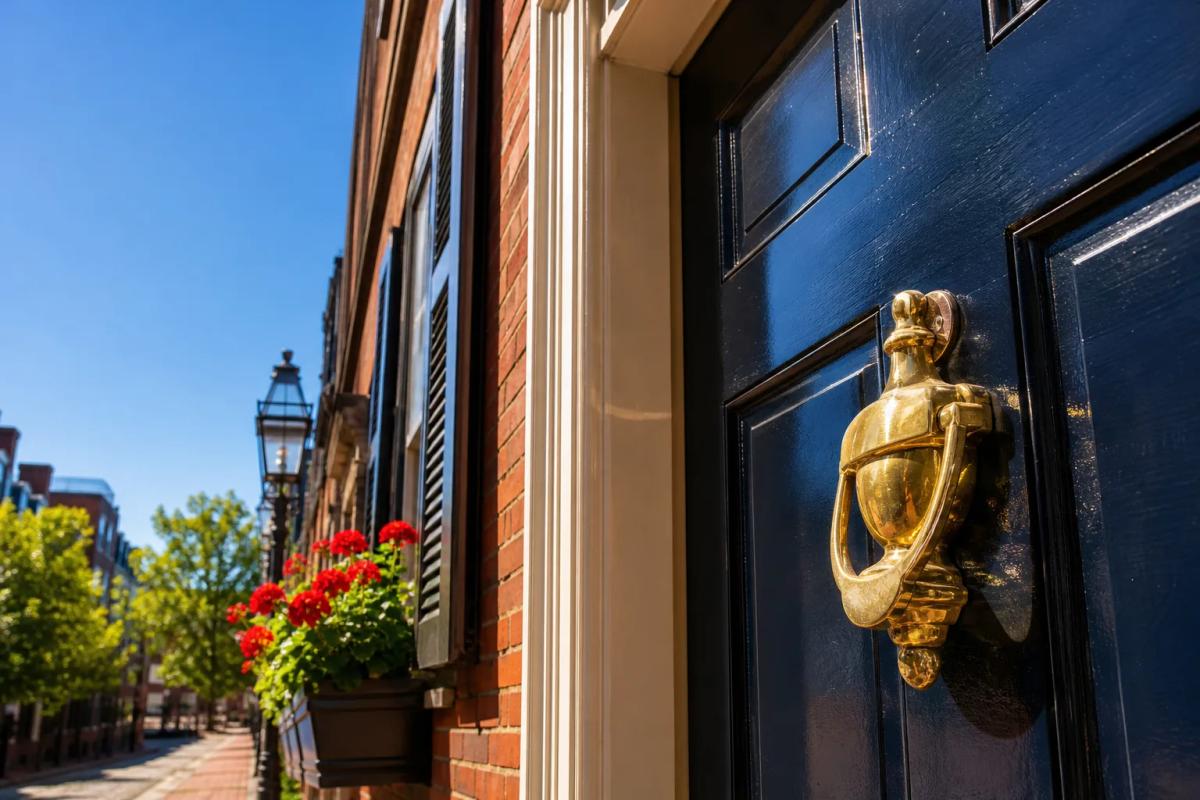
Greater Boston has an unusual condo stock. Much of it sits in converted two- and three-family houses, brownstones and small walk-ups, often run by the owners themselves on a thin budget. In my experience, those are exactly the associations where reserves get set low to keep fees down, sometimes with no formal reserve study at all.
The trade groups flagged older buildings, smaller communities and associations with tight budgets as most exposed. That describes a meaningful share of condos in Dorchester, Somerville, Brookline and similar markets.
The timing problem is real too. Most associations adopt a budget once a year. A board that set its 2027 budget this fall at 10% may need a revised budget, a vote, or a reserve study before lenders review the project again.
What Buyers, Sellers and Investors Should Do Now
If you are buying a condo:
- Ask for the current budget and the most recent reserve study before you make an offer, not after.
- Have your lender run the condo questionnaire early. A project that fails review three weeks before closing is an expensive surprise.
- Ask whether the board plans a fee increase or special assessment for 2027.
First-time buyers working through the process can find more on financing steps in the first-time buyer guide.
If you are selling a condo:
- Pull your association's budget and calculate the reserve percentage yourself. It takes five minutes.
- If it sits below 15%, push the board to address it before you list. Buyers using conventional loans are the bulk of the market, and losing them shrinks your buyer pool.
- If you plan to sell in early 2027, list with the budget documents ready so lenders can review quickly.
If you invest in small multifamily or condos:
- Non-warrantable buildings can trade at a discount, which looks attractive on entry. The catch is your exit, since your eventual buyer faces the same financing limits. More on underwriting that risk is in the investor guide.
- Price the financing difference. Check current mortgage rates and ask a portfolio lender for a quote on a non-warrantable unit to see the actual spread.
Will the Delay Happen?
Honestly, it is uncertain. The coalition made a reasonable case about budget cycles and unclear rules for existing reserve studies, capital projects and alternative funding. FHFA may grant a delay, offer transition rules, or hold the date.
None of those outcomes changes the smart move. A building with healthy reserves is easier to finance, easier to sell and less likely to hit owners with a special assessment when the roof fails. A one-year delay just buys time to get there.
Bottom Line
The new 15% floor is a small monthly cost for most owners but a real financing risk for underfunded associations, which are common in Boston's small-building condo market. Check your building's reserve percentage now, whether you are buying, selling or holding. If you are weighing a sale and want to know where your unit stands, you can get a home value estimate here.
Common Questions
How much will the condo reserve change raise my HOA fee?
Fannie Mae estimated an average of $13 to $14 per month per owner, according to the trade groups' letter. Your number depends on your association's budget and how far below 15% it sits today. A building already funding reserves above 15% may see no change at all.
What happens if my condo association doesn't meet the 15% reserve requirement?
The project could lose eligibility for conventional Fannie Mae and Freddie Mac financing unless it qualifies through the alternative reserve study provision. Buyers would then need nonagency or portfolio loans, which may cost more or be harder to find, and that can weigh on resale prices.
Can I still buy a condo in a building with low reserves?
Yes, but financing gets narrower. A cash buyer or a borrower using a portfolio loan can still close. The bigger risk shows up later, when you sell or refinance and your own future buyers face the same lending limits you did.
Plato Asadov (Aflatun Asadov)
Licensed Massachusetts Real Estate Salesperson, Lic. #9579004
Brokered by Steve Bremis Realty Group. Equal Housing Opportunity.
Phone: 617-302-7222 · Email: plato@realestoria.com · realestoria.com
Work with Plato · Get a home value estimate · Contact
This article was drafted with AI assistance from Plato's research tools and reviewed by Plato before publishing. Information deemed reliable but not guaranteed; it is general education, not advice for your specific situation.
Share this article
Plato Asadov
Real Estate Agent | Investor
Real estate pro with 6+ years selling Greater Boston homes. I share what I've learned about buying, selling, and investing.
Work with Plato →LinkedIn