Is Zillow Accurate for Home Values in Massachusetts?
Zillow's Zestimate is a reasonable starting point, but it is not an appraisal, and it can miss by a meaningful amount. It is usually closest on ordinary houses in neighborhoods with plenty of recent, similar sales, and furthest off on everything else. Treat it as a rough range, not a price.
Why the Zestimate Gets Some Homes Right and Others Wrong
Like any automated valuation model, the Zestimate works from public records, tax assessments, listing data and recent sales. It never walks through the house.
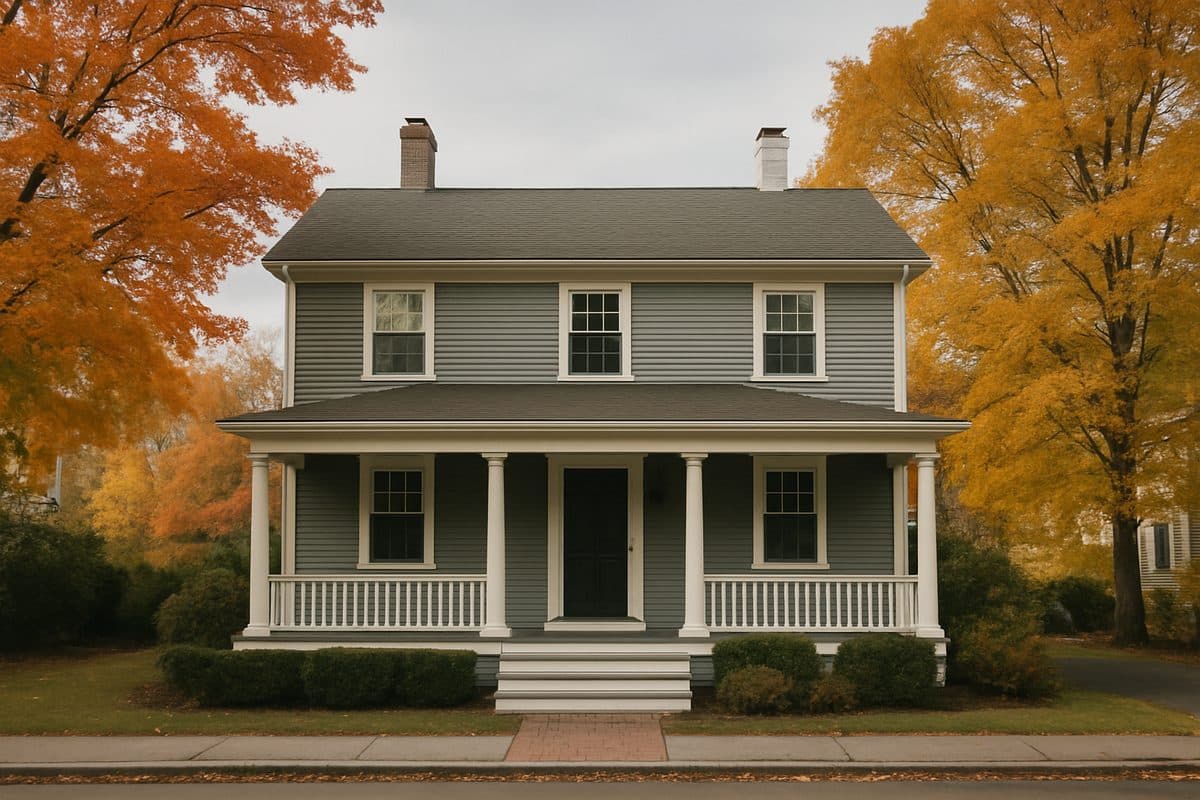
That approach works well for a mid-century cape on a street where several similar capes sold last year. It works poorly for much of Greater Boston's housing stock: two- and three-families, condos carved out of older buildings, antique colonials, homes on odd lots, and anything renovated without the changes showing up in public records.
Those records are often stale. If the assessor still lists three bedrooms and one bath but you added a primary suite and finished the basement, the model doesn't know. The reverse is also true: a house untouched for decades can look identical on paper to its fully updated neighbor.
What the Model Can't See
In my experience, the biggest gaps come from things no database captures well:
- Condition and finish quality, which can swing value more than square footage
- Layout, light, noise and the view out the back
- Micro-location: a busy road, a steep driveway, a shared lot line
- Condo details like the association's reserves, pending special assessments or deeded parking
- Timing in a fast spring market, where recent closings lag what buyers are paying now
Zestimates also tend to move once a home is listed. That is the model reacting to the asking price, not independent confirmation of it.
A Better Way to Read It
Check two or three automated estimates and look at the spread. A wide gap tells you the models are guessing. Then pull recent sold comps from the same town, as close by and as similar in size and style as you can find. Those sales, adjusted for condition, are what an appraiser and a buyer will weigh.
Your town assessor's website shows the property record the models rely on, so correct any errors there. For background on a town's housing stock, the town data explorer has Census figures.
If you're selling, a comparative market analysis from someone who has seen the inside of comparable homes will beat any algorithm. If you're buying, don't anchor your offer on the Zestimate in either direction.
Bottom Line
Zillow is useful for a ballpark and for watching trends, but it can be well off on the older, multi-family and renovated homes common around Boston. Real comps and an honest read on condition matter more. If you want a quick number for your own home, the valuation tool is here.
Plato Asadov (Aflatun Asadov)
Licensed Massachusetts Real Estate Salesperson, Lic. #9579004
Brokered by Steve Bremis Realty Group. Equal Housing Opportunity.
Phone: 617-302-7222 · Email: [email protected] · realestoria.com
Work with Plato · Get a home value estimate · Contact
This article was drafted with AI assistance from Plato's research tools and reviewed by Plato before publishing. Information deemed reliable but not guaranteed; it is general education, not advice for your specific situation.
Share this article
Plato Asadov
Real Estate Agent | Investor
Real estate pro with 6+ years selling Greater Boston homes. I share what I've learned about buying, selling, and investing.
Work with Plato →