Is Charlestown, Massachusetts Part of Boston?
TL;DR
- Yes, Charlestown is a neighborhood of the City of Boston, not a separate town, and has been since its 1874 annexation.
- Owners pay Boston property taxes, use Boston city services and fall under Boston zoning, permitting and parking rules.
- For buyers, that means checking Boston's residential exemption, resident parking rules and condo documents rather than any separate town policies.
Yes. Charlestown is a neighborhood of the City of Boston, not an independent town, and it has been part of Boston since it was annexed in 1874. So if you are asking "is Charlestown, Massachusetts part of Boston" because you are weighing a purchase there, the practical answer is that Boston's tax rates, zoning, permitting and city services apply to every property in the neighborhood.
The confusion is understandable. Charlestown has its own zip code (02129), a distinct history as one of the oldest settlements in the area, and a clear physical identity across the harbor from downtown. It feels like a small town. Legally and financially, it is Boston.
Is Charlestown, Massachusetts Part of Boston for Taxes?
This is where the answer matters most to an owner. Charlestown homes are assessed by the City of Boston and taxed at Boston's citywide residential rate. There is no separate Charlestown levy, town meeting or local override vote.
One Boston-specific detail buyers often miss is the residential exemption. Owner-occupants who make the property their primary residence can apply for it, and it reduces the taxable value of the home. Investors buying a rental condo or a unit they will not live in do not get it, which changes the carrying-cost math.
Because I have no verified current figures to share here, look up the current rate and exemption amount on the Boston Assessing Department site before you run numbers. Then plug them into a mortgage calculator with your real tax figure, not a listing estimate.
What Boston Rules Mean for Charlestown Buyers
Being part of Boston brings a specific set of rules that shape daily ownership:
- Zoning and permits. Additions, roof decks and unit conversions go through Boston's Inspectional Services and, when relief is needed, the Zoning Board of Appeal. Historic district rules can also apply to exterior changes on some streets.
- Resident parking. Many Charlestown streets are resident permit parking. Permits generally require a vehicle registered at a Charlestown address, so out-of-state registration can be a real hurdle for new arrivals.
- Schools. Students attend Boston Public Schools under a citywide assignment system. Living in Charlestown does not lock in a particular building. The state DESE site has school profiles if you want to research them.
- City services. Trash, snow removal and street maintenance are handled by Boston departments, so service questions go to the city, not a local town hall.
In my experience, the parking and permitting points cause more surprises after closing than taxes do. Ask about deeded or rented parking before you make an offer, not after.
How the Housing Stock Differs From the Rest of Boston
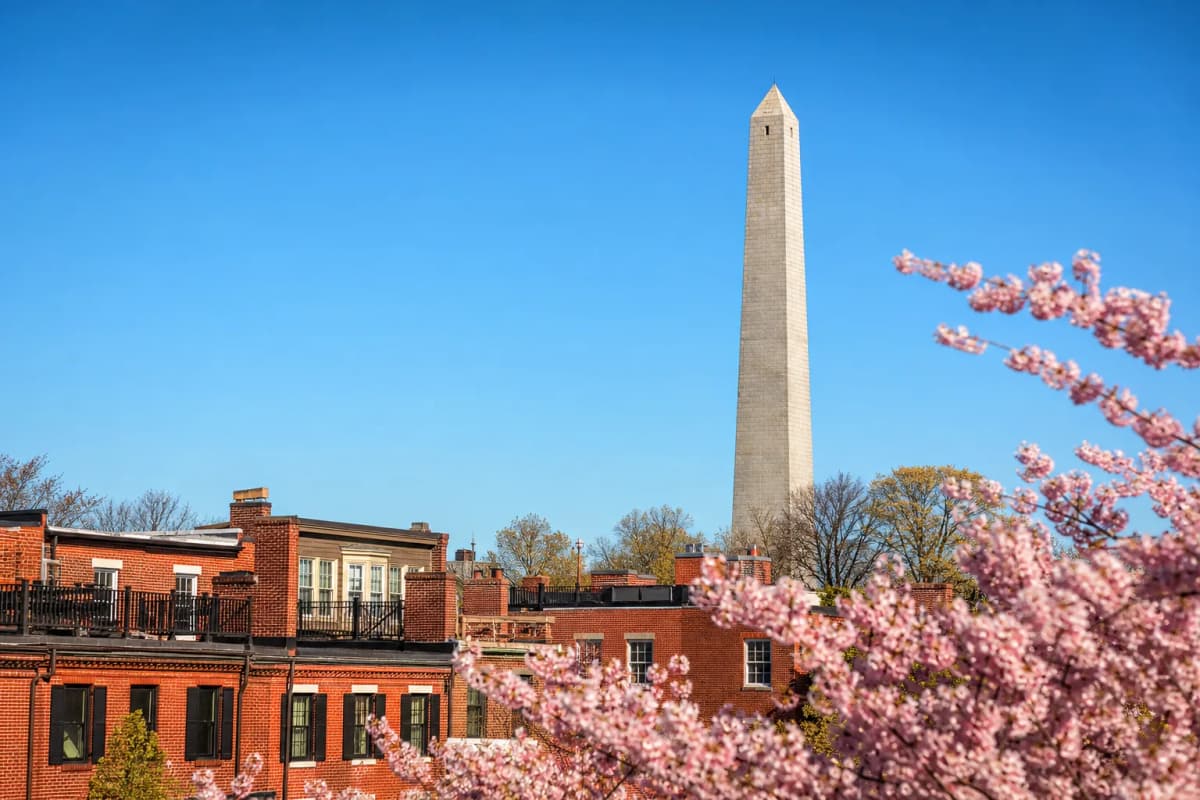
Charlestown's housing is a mix you will not find in most Boston neighborhoods. Much of the core is 19th-century brick and clapboard rowhouses on narrow streets near the Bunker Hill Monument. Many of those have been divided into condos, so the same building can hold two or three separately owned units.
The Charlestown Navy Yard adds a different product: converted industrial buildings and newer condo construction along the water. Those tend to come with larger associations, amenities and higher monthly fees, so read the condo documents and budget closely.
For older rowhouses, expect the usual Boston issues: aging masonry, shared walls, small or no yards and limited parking. A good inspector who knows pre-1900 construction is worth paying for.
Checking Prices and Market Data for Charlestown
Since Charlestown is not a town, some data sources fold it into "Boston" citywide figures, which blend very different neighborhoods. That can make a Charlestown condo look cheap or expensive depending on the comparison.
Filter by the 02129 zip code or neighborhood name when you research. The recent home sales tool lets you look at actual closed sales, and the Census town data helps with broader housing characteristics. If you are comparing Charlestown against nearby options like Somerville or Cambridge, the area guides are a useful starting point.
Bottom Line
Charlestown is fully part of Boston, so Boston's tax rate, residential exemption, zoning and parking rules govern every purchase there. Treat it as a distinct micro-market with its own housing stock, but run your numbers using city-level rules. If you want to talk through a specific Charlestown property or strategy, you can set up a buyer consultation here.
Common Questions
What zip code is Charlestown, MA?
Charlestown uses the 02129 zip code. Mail addressed to Charlestown, MA 02129 and Boston, MA 02129 reaches the same place, and many listing sites show either name. When you search sales data, filter by the zip code or neighborhood name so you are not mixing in other Boston neighborhoods.
Does Charlestown have its own property tax rate?
No. Charlestown properties are assessed by the City of Boston and taxed at Boston's citywide rates. Owner-occupants may qualify for Boston's residential exemption, which reduces the taxable value of a primary residence. Check current rates and exemption rules directly with Boston's Assessing Department before you budget.
Which public schools serve Charlestown?
Charlestown students are served by Boston Public Schools, which uses a citywide assignment system rather than strict neighborhood boundaries. Living in Charlestown does not guarantee a seat at a specific building. You can review school profiles on the Massachusetts DESE website and assignment rules on the BPS site.
Plato Asadov (Aflatun Asadov)
Licensed Massachusetts Real Estate Salesperson, Lic. #9579004
Brokered by Steve Bremis Realty Group. Equal Housing Opportunity.
Phone: 617-302-7222 · Email: plato@realestoria.com · realestoria.com
Work with Plato · Get a home value estimate · Contact
This article was drafted with AI assistance from Plato's research tools and reviewed by Plato before publishing. Information deemed reliable but not guaranteed; it is general education, not advice for your specific situation.
Share this article
Plato Asadov
Real Estate Agent | Investor
Real estate pro with 6+ years selling Greater Boston homes. I share what I've learned about buying, selling, and investing.
Work with Plato →LinkedIn