The Complete First-Time Home Buyer's Guide to Massachusetts (2026)
The Complete First-Time Home Buyer's Guide to Massachusetts
Buying your first home in Massachusetts doesn't have to be overwhelming—but it does require knowing what you're really getting into. The bank might approve you for $700k, but that doesn't mean you should spend it. This guide walks you through the entire process, from understanding true affordability to closing day and beyond, with real numbers from Greater Boston's 2026 market.

Step 1: Understand What You Can Actually Afford
Most first-time buyers make a critical mistake: they confuse "how much the bank will lend me" with "how much I can comfortably afford."
Here's the reality check you need.
The Real Monthly Housing Cost
Your mortgage payment is just the beginning. Here's what you're actually committing to:
- Principal & Interest: Your base mortgage payment
- Property Taxes: Varies dramatically by town (Cambridge/Somerville are higher, suburbs lower)
- Homeowners Insurance: Typically $1,000-$2,000/year
- HOA/Condo Fees: If applicable, can be $200-$600+/month
- PMI (Private Mortgage Insurance): If you put down less than 20%, add 0.5-1% of loan amount annually
- Utilities: Heat, electric, water (often significantly higher than renting)
- Maintenance Reserve: Budget 1-2% of home value annually for repairs and upkeep
Real-World Example: The $600k Somerville Condo
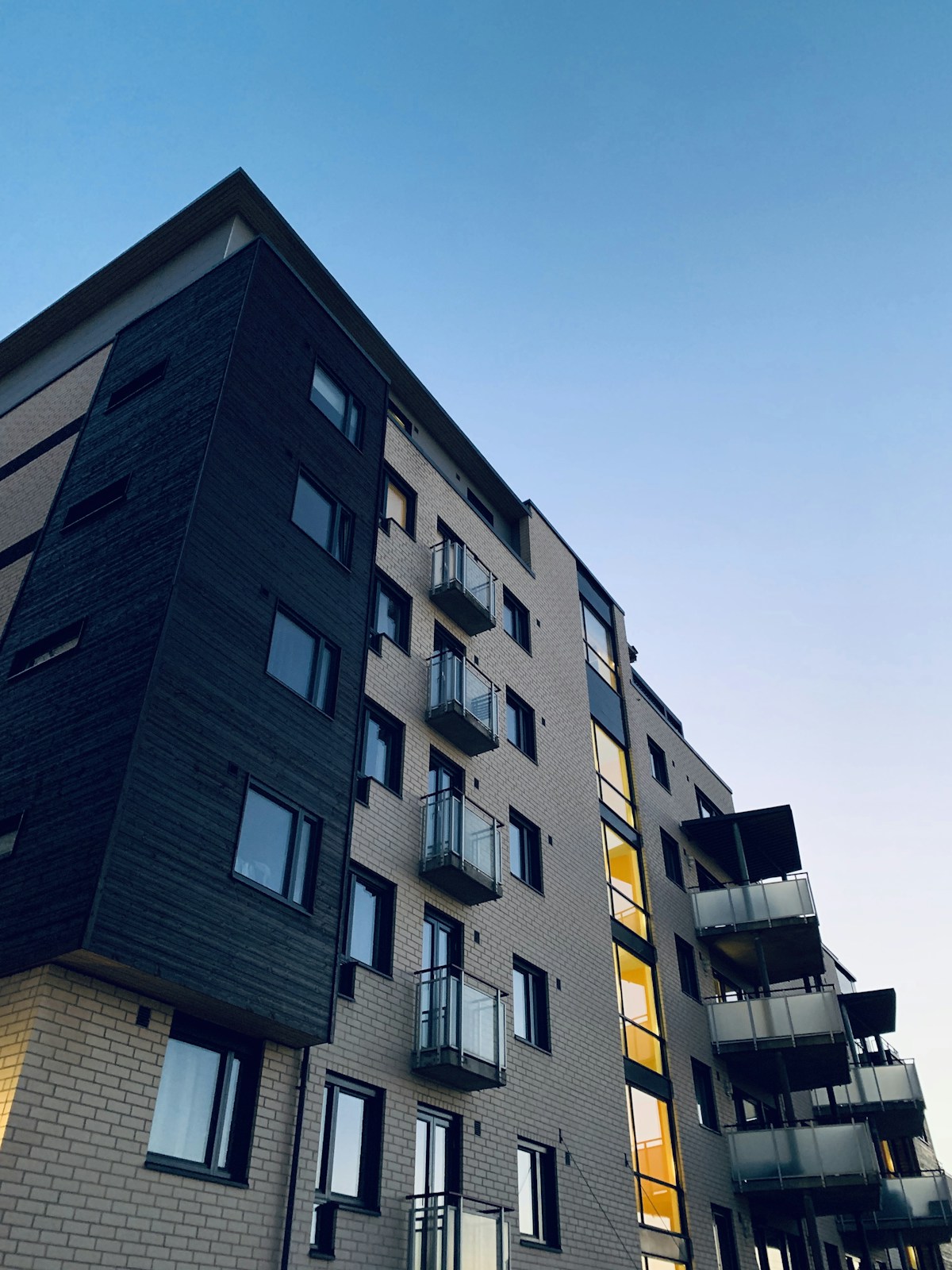
Let's break down a $600,000 condo in Somerville with 5% down:
- Mortgage (P&I): $3,200/month
- Property tax: $600/month
- Insurance: $150/month
- Condo fee: $400/month
- PMI: $250/month
- Total: $4,600/month
(And that's before utilities or unexpected maintenance)
The trap: The bank approves you based on the $3,200 mortgage payment. But you need to be comfortable with the full $4,600+ reality—plus have reserves for when the HVAC dies.
Step 2: Down Payment & Closing Costs Reality Check

How Much Do You Really Need?
Conventional wisdom says 20% down. Reality: Most first-time buyers put down 3-10%.
Your options:
- Conventional loans: 3-5% down (requires PMI under 20%)
- FHA loans: 3.5% down (requires mortgage insurance for life of loan)
- VA loans: 0% down (if you qualify as veteran)
- USDA loans: 0% down (rural areas only, rare in Greater Boston)
Massachusetts Down Payment Assistance Programs
Don't overlook these local programs that can significantly reduce your upfront cash requirement:
- MassHousing: Low down payment options + closing cost assistance
- ONE Mortgage: No down payment required (income limits apply)
- Cambridge HomeBridge: Down payment assistance specifically for Cambridge buyers
- Somerville HOME Program: Similar assistance program for Somerville residents
Important: These programs have income limits and property price caps, but if you qualify, they're game-changers.
Closing Costs: The Hidden Expense

Typically 2-5% of purchase price. On a $600,000 home, budget $12,000-$30,000 for:
- Loan origination fees
- Appraisal ($500-$700)
- Home inspection ($400-$600)
- Title insurance & attorney fees ($2,000-$4,000)
- Recording fees
- Prepaid property taxes and insurance
- Other miscellaneous closing costs
Don't get caught short. Many buyers focus only on down payment and forget about closing costs.
Step 3: Get Pre-Approved (Not Pre-Qualified)

There's a crucial difference:
Pre-qualification: "Based on what you told me over the phone, you might qualify for $X."
(Useless in competitive markets)
Pre-approval: Lender has actually reviewed your income, credit, and assets. You have a letter stating you're approved for $X.
(Required to make competitive offers)
What You'll Need for Pre-Approval
Gather these documents before applying:
- 2 years of tax returns
- 2 months of bank statements
- Pay stubs (last 2-3 months)
- Credit check authorization
- Explanation for any large deposits or withdrawals
Pro tip: Get pre-approved before you start looking seriously. Sellers won't take unqualified buyers seriously in Massachusetts's competitive market.
Step 4: Choose Your Neighborhoods Strategically

Don't just pick "Cambridge" or "Somerville." Narrow it down to 3-5 specific neighborhoods based on these factors:
Key Decision Factors
- Commute: Where do you work? Test the commute during rush hour—not just on Google Maps
- Walkability: Do you need transit access? Grocery stores nearby? Car-free lifestyle possible?
- Schools: Even if you don't have kids, school quality dramatically affects resale value
- Noise tolerance: Busy street vs. quiet residential—what's your threshold?
- Price range: Can you actually afford this neighborhood, or are you window shopping?
Greater Boston Neighborhoods by Price Range (2026)
$400k-$600k:
- Medford
- Malden
- Everett
- Parts of Watertown
$600k-$900k:
- Somerville (most areas)
- Arlington
- Belmont (condos)
- Parts of Cambridge (smaller condos)
$900k+:
- Cambridge (most areas)
- Brookline
- Newton
- Belmont (houses)
Step 5: Work With an Agent Who Educates, Not Just Shows

Most agents will show you 15 homes and let you figure it out. You need someone different.
What a Good Agent Actually Does
- Explains comparable sales: Not just "this is a good deal" but actual data-driven analysis
- Points out red flags during showings: What looks like a cosmetic issue vs. structural problem
- Runs the numbers: HOA fees, taxes, potential special assessments, real monthly costs
- Structures offers strategically: Not just "offer asking price" but competitive positioning
- Protects your interests: Even when it means losing a deal that wasn't right for you
The difference between a good and mediocre agent can be $20,000-$50,000 in the wrong house or overpayment.
Step 6: Making an Offer in Greater Boston's Competitive Market

In Massachusetts's competitive market, you need to be strategic:
Know the Data
- Research comparable sales in the neighborhood
- Understand recent price trends (up, down, or flat?)
- Know days on market for similar properties
Understand Seller Motivation
- Are they in a rush? (Divorce, job relocation, estate sale)
- Testing the market? (Overpriced and can wait)
- Multiple offers expected?
Contingencies Strategy
- Inspection contingency: Protects you but weakens offer
- Financing contingency: Standard but can be shortened
- Appraisal contingency: Consider waiving in hot markets (risky)
- Pre-offer inspection: Sometimes necessary to compete
Escalation Clauses
Use carefully. Can work, but can also signal you'll overpay. Your agent should advise based on specific situation.
Step 7: Inspection & Due Diligence

Even if you waive inspection contingency to win the offer, get an inspection.
You absolutely need to know:
- Roof: Condition and remaining lifespan
- HVAC systems: Age, efficiency, replacement timeline
- Electrical & plumbing: Up to code? Any immediate issues?
- Foundation: Cracks, water intrusion, structural integrity
- Water damage or mold: Current or past issues
- Code violations: Unpermitted work that could affect sale/refinance
Budget: $400-$600 for a thorough inspection.
Worth it? This is the best money you'll spend. A $500 inspection can reveal $30,000 in needed repairs.
For Condos: Additional Due Diligence
- Review last 2 years of HOA meeting minutes
- Check reserve fund balance
- Ask about pending or planned special assessments
- Review HOA financial statements
- Understand any ongoing litigation
Step 8: The Closing Process
What You'll Need
- Wire transfer for down payment + closing costs (get wiring instructions from your attorney—beware of phishing scams)
- Government-issued ID
- Proof of homeowners insurance (must be active before closing)
What to Expect
The closing takes 1-2 hours. You'll sign a lot of documents. Your attorney reviews everything with you before signing.
Bring: Pen, patience, and excitement—you're buying a home!
Common Mistakes to Avoid
!(https://images.unsplash.com/photo-1621905251918-48416bd8575a?w=1200)
1. Maxing Out Your Budget
Just because you're approved for $700k doesn't mean you should spend it all. Life happens. Job changes. Kids. Unexpected repairs.
2. Skipping Pre-Approval
Sellers won't take you seriously. In competitive markets, you'll lose before you even start.
3. Ignoring HOA Financial Health
Check reserve funds and pending special assessments. A cheap condo with a broke HOA is expensive.
4. Not Budgeting for Maintenance
Things break. Roofs leak. Furnaces die. Usually at the worst possible time. Plan for it.
5. Falling in Love with One Property
Stay rational. Get emotionally attached after you own it, not before. There are always more homes.
6. Overlooking Total Monthly Costs
Remember: mortgage ≠ total housing cost. Factor in taxes, insurance, HOA fees, utilities, maintenance.
7. Waiving Everything to Win
Sometimes the house you don't get is the best deal you ever made. Don't throw away all protections.
Your Next Steps

Now you know the real process, costs, and strategies. Here's what to do next:
- Calculate your true budget (not what the bank says, what you can actually afford)
- Gather pre-approval documents (tax returns, pay stubs, bank statements)
- Research neighborhoods (visit at different times, test commutes)
- Find the right agent (someone who educates and protects your interests)
- Start looking strategically (knowing what you're really looking for)
If you're ready to start the process or have questions about your specific situation, reach out. I'll walk you through the numbers, neighborhoods, and realistic expectations for your timeline.
Remember: Buying a home is one of the biggest financial decisions you'll make. Take your time, do your homework, and don't let FOMO drive you into the wrong house.
About the Author
Plato Asadov is a Real Estate Sales Consultant, Investor & Construction Company Manager specializing in helping first-time buyers navigate Massachusetts's competitive market. With experience building businesses from scratch and investing in real estate, Plato brings a practical, numbers-focused approach to home buying that goes beyond typical real estate advice.
This article provides educational information about home buying in Massachusetts. Real estate markets change rapidly—consult with qualified professionals for advice specific to your situation and current market conditions.
Share this article
Plato Asadov
Real Estate Agent | Investor
Real estate pro with 6+ years selling Greater Boston homes. I share what I've learned about buying, selling, and investing.
Work with Plato →